Summer Slide… What it is and how to prevent it.
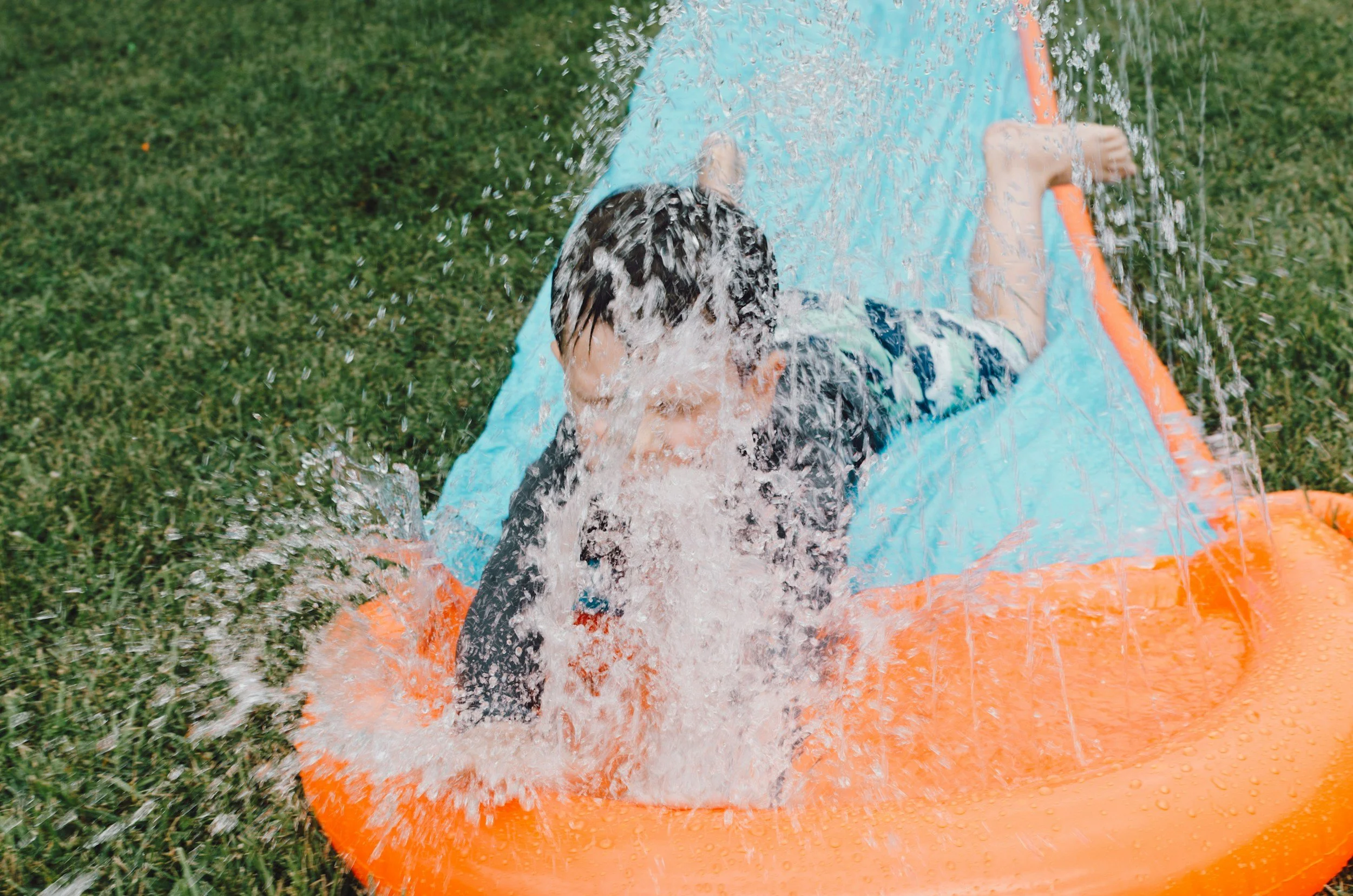
Summer is for lazy mornings, popsicles, splash pads, and soaking up extra family time, but it can also be a season where kids start forgetting some of the skills they worked so hard on during the school year. This is often called the “summer slide,” and it’s especially common with younger children who benefit from routine and regular practice.
Well, I have some good news for you! Preventing the summer slide doesn’t have to mean turning your house into a classroom or spending hours doing schoolwork every day. A few simple, low-prep activities built into your normal routine can help keep learning fresh while still letting kids fully enjoy summer break.
Here are five easy ways to keep learning going all summer long without adding stress to your day.
1. Keep a Light Routine in Place
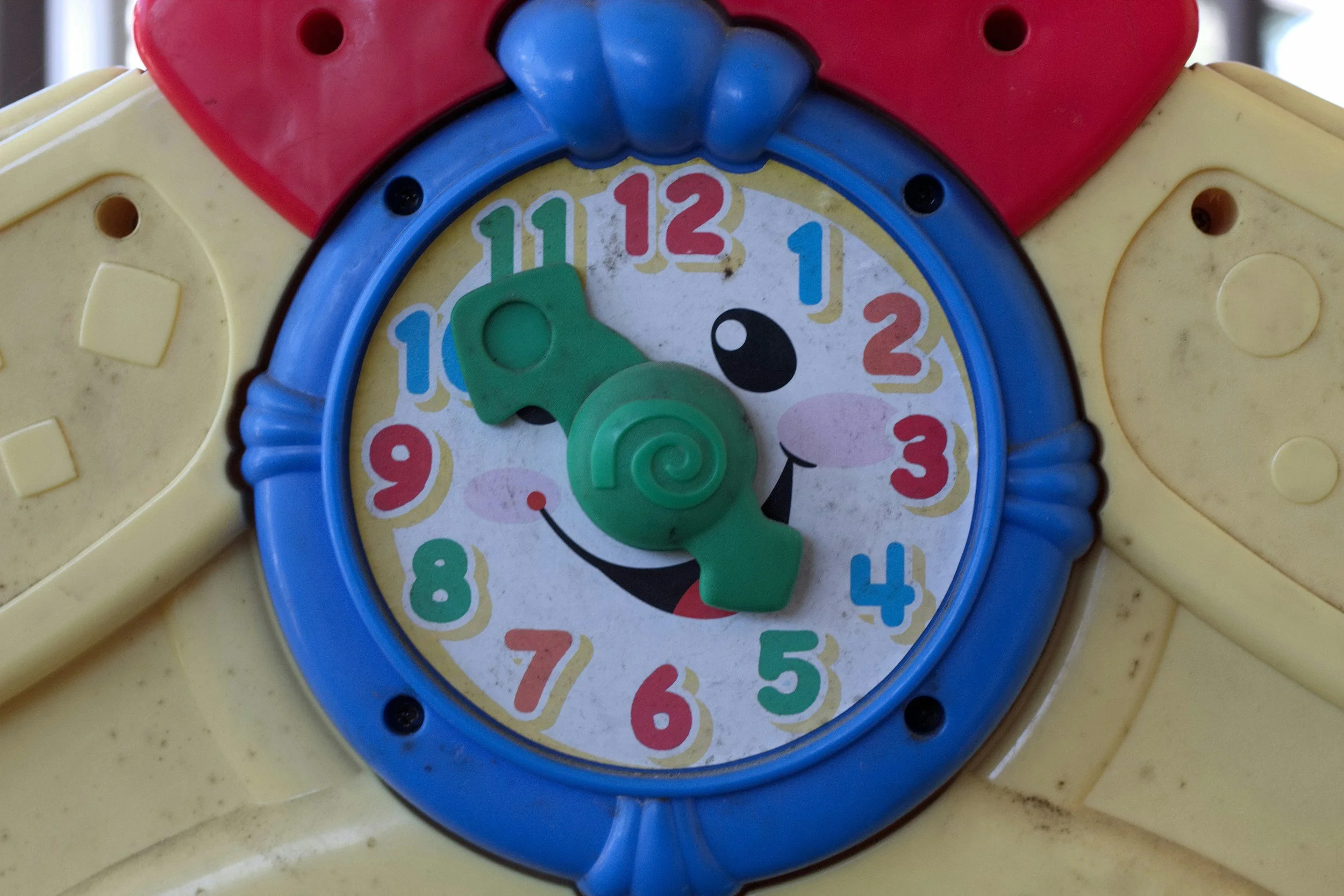
Anyone recognize this guy?!
Summer schedules are naturally more relaxed, but kids still benefit from some level of structure. A simple routine can help days run more smoothly and make the transition back to school much easier later on!
This doesn’t need to be anything complicated. Even a loose daily rhythm can help:
Morning responsibilities
Reading or workbook time
Outdoor play
Quiet time
Limited screen time
Kids tend to do really well when they know what to expect, even during summer break.
Pro Tip:
A simple visual checklist or routine chart can help cut down on constant reminders throughout the day.
2. Keep a Simple Summer Workbook Routine
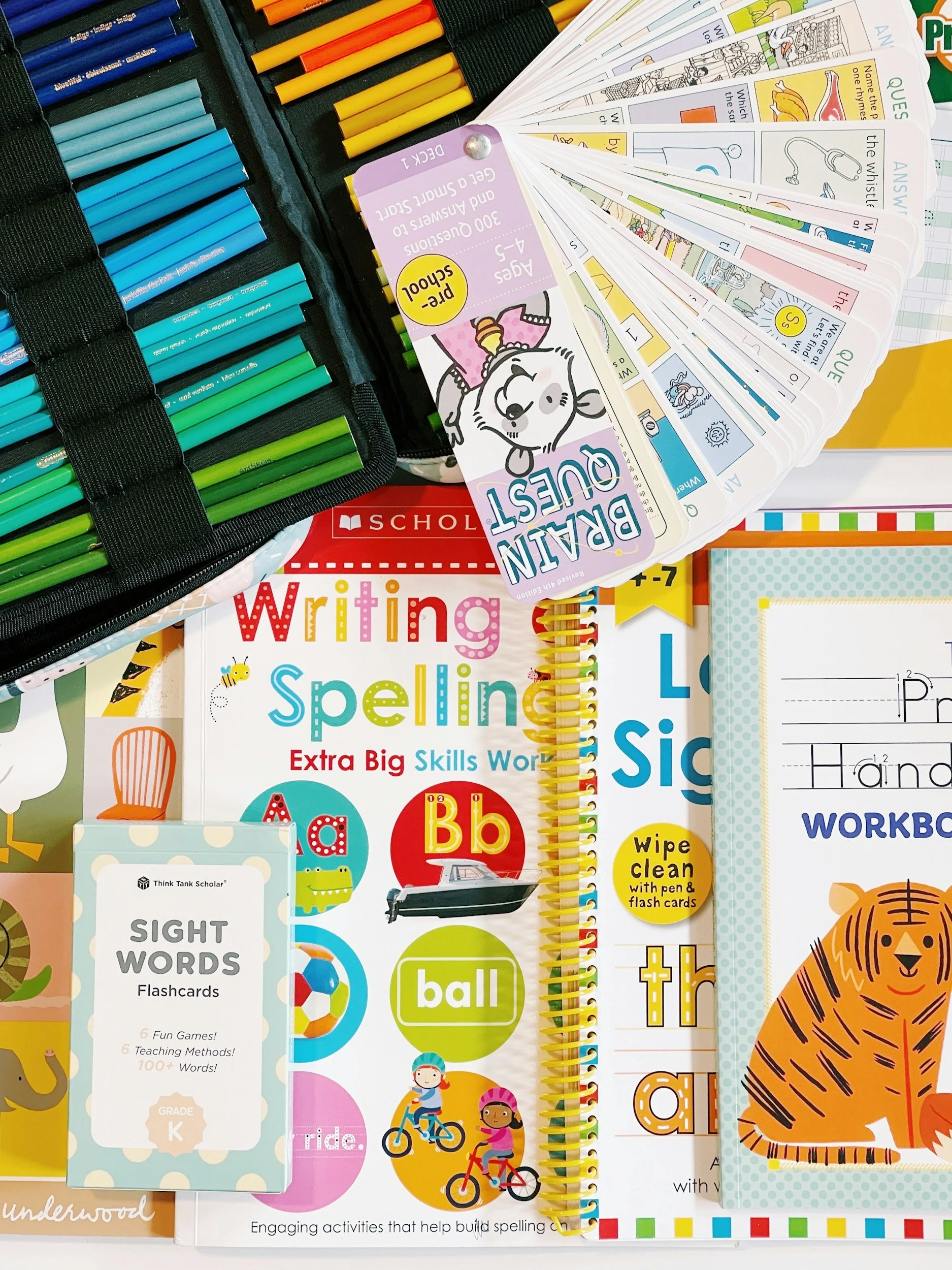
Workbooks are one of the easiest ways to keep academic skills fresh over the summer, especially when you keep expectations realistic. Workbooks can be found for general learning or something more specific (we are working on handwriting practice with our oldest this summer). The good news is, workbooks can usually be found at a reasonable price at most popular stores. A good hack is to utilize the unfinished classroom workbooks teachers send home at the end of the year or if you have a great teacher like we did, utilize the summer packets they sent home. We will be doing both!
Instead of trying to do multiple pages every day, aim for just 10–15 minutes a few times a week. Short and consistent works much better than long, exhausting sessions.
Focus on basic skill review like:
Letter recognition
Handwriting
Sight words
Counting and simple math
Fine motor practice
You can even work it into your morning routine while everyone is still waking up slowly.
Pro Tip:
Keep workbooks, crayons, pencils, and markers together in a small basket so everything is ready to grab when you need it.
3. Make Summer Reading Part of the Day

Reading during the summer doesn’t have to feel like homework to be effective. In fact, the more relaxed and enjoyable it feels, the better. There are lots of summer reading programs out there as well, whether it be at a local library or Barnes and Noble has their own program where kids in 1st-6th grade can earn a book upon completion!
You can read together before bed, set aside time during the day, or even listen to audiobooks in the car. All of this is extremely beneficial. Even just 15–20 minutes consistently can help maintain important literacy skills.
For younger kids:
Let them retell stories from picture books
Ask simple questions about the story
Visit the library often to keep books exciting
For beginning readers:
Re-read favorite books for confidence
Practice sight words naturally while reading
Encourage reading signs, menus, or labels out in the world
Pro Tip:
Create a simple reading basket filled with books to encourage quiet time throughout the day.
4. Use Everyday Moments as Learning Opportunities

One of the easiest ways to keep learning going over the summer is by involving kids in everyday life. So many normal daily activities naturally build important skills. A fun activity is having your kiddo help you research and find a new recipe they’ve never tried before and have them help you make it from start to finish!
Things like:
Cooking helps with measuring and following directions
Grocery shopping builds vocabulary and number recognition
Gardening introduces science concepts
Board games encourage problem-solving and patience
These little moments add up quickly and they don’t require any extra prep.
Pro Tip:
Ask simple questions throughout the day like:
“What do you think will happen next?”
“Can you help me count these?”
“How many more do we need?”
5. Create a Simple Independent Activity Station
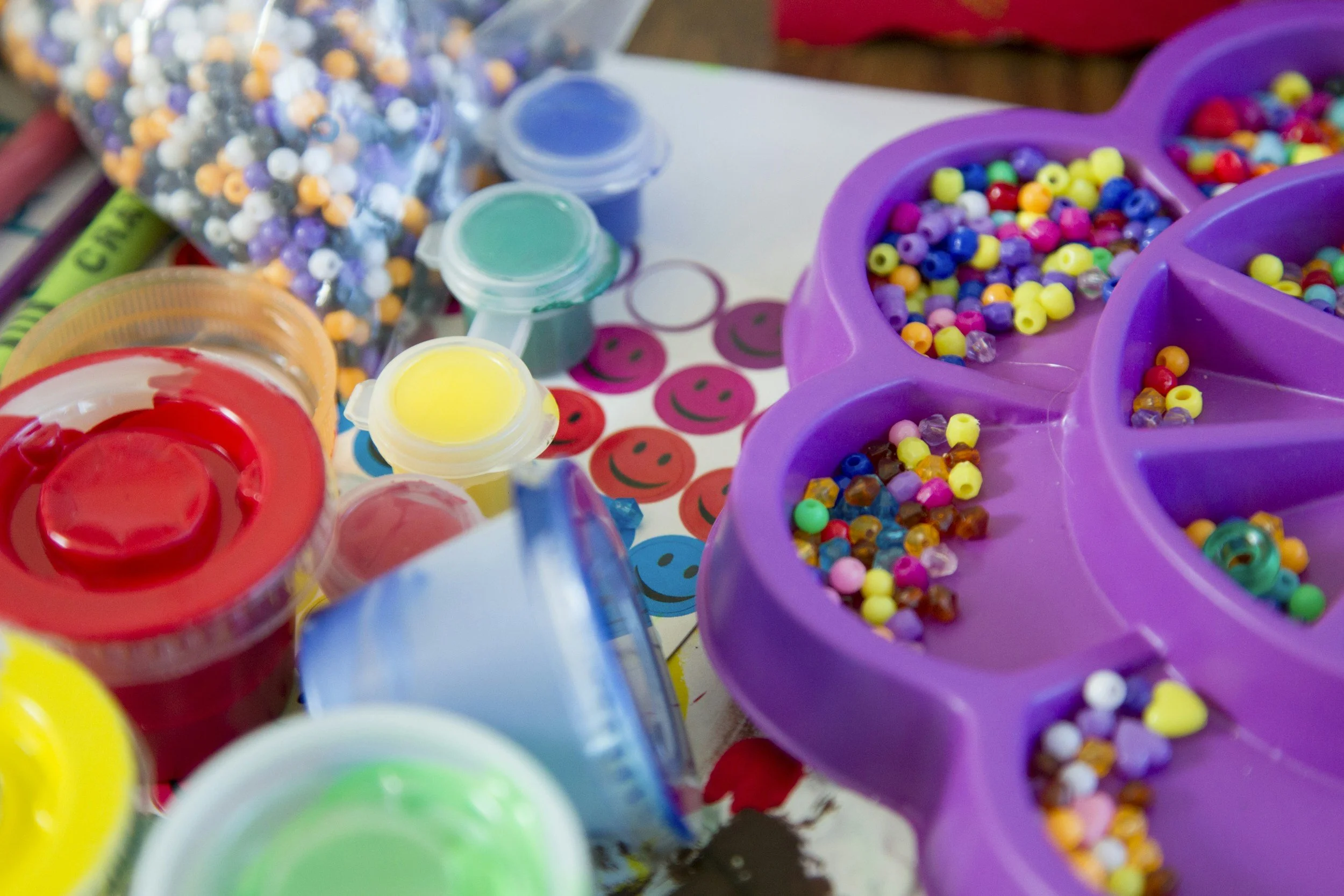
Sometimes keeping kids engaged is simply about making activities easy to access. A small “invitation to learn” station can encourage independent play and skill practice without requiring you to constantly set things up.
Try including:
Coloring pages
Puzzles
Scissors and glue
Dry erase markers
Flashcards
Magnetic letters
Counting manipulatives
You don’t need anything fancy, just a few simple activities that are easy to rotate occasionally.
Pro Tip:
Use a small cart, drawer, or bin to keep everything organized and easy to clean up.
Final Thoughts
Preventing the summer slide doesn’t have to mean strict schedules or hours of schoolwork. In reality, small and consistent learning moments throughout the summer can make a huge difference.
The goal isn’t to recreate school at home, it’s simply to keep kids curious and engaged while still enjoying the fun and freedom that summer should bring.
Sometimes the best learning happens in the middle of everyday moments.
Happy Learning!
-Victoria